

The Art of Aging Beef: What is Dry-Aged Steak?
Author: Justin Urso, Executive Chef
There are steaks, and then there are dry-aged steaks. The difference isn't subtle — you’ll notice it from the first bite and spend the rest of the night talking about it.
Dry-aging steak is one of the oldest techniques in the butcher's craft, and it delivers unmatched flavor and texture. At Vermilion, we've built our menu around the belief that exceptional beef deserves exceptional care and preparation.
Here's what dry aging means, why it matters, and what separates a great dry-aged steak from the rest.
What is Dry-Aged Steak?
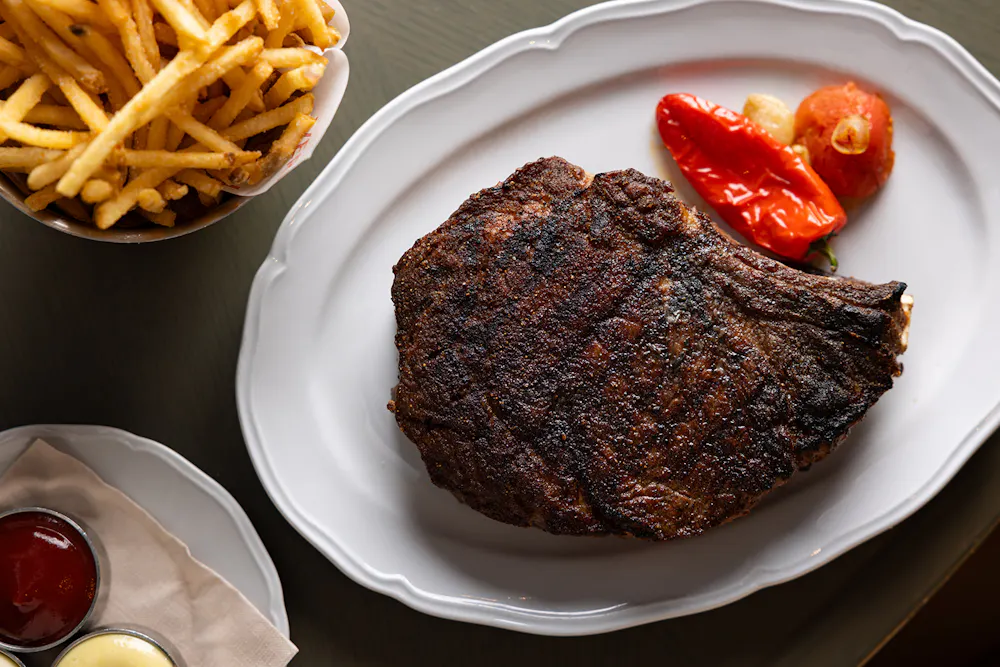
Dry-aged beef is stored in an open-air, climate-controlled environment for several weeks. During that time, moisture evaporates from the meat while natural enzymes quietly break down the muscle fibers. This process concentrates flavor, improves tenderness, and creates a distinct, complex taste that can’t be replicated through cooking alone.
Dry-Aged vs Wet-Aged Beef
Wet aging is the industry standard: beef is vacuum-sealed and aged in its own juices for seven to fourteen days before it ships. It's faster, cheaper, and more convenient. However, it also produces a milder, less complex flavor.
Dry aging takes longer (two to eight weeks), requires dedicated space and precise conditions, and results in cuts that can lose up to 30% of their weight in water. What's left is intensely flavorful, with a firmer texture shaped by time and enzymatic breakdown rather than retained moisture.
Benefits of Dry-Aged Beef
The two main benefits of dry-aged steak are flavor and tenderness, but there are plenty of reasons dry-aged is the best you can get. Here’s a quick overview of the benefits:
Concentrated, complex flavor – Moisture loss intensifies flavors, while controlled aging develops the signature nutty, umami-rich depth.
Naturally improved tenderness – Enzymes gradually break down muscle structure, which creates a softer and more refined texture.
Distinctive texture and bite – Compared to wet-aged beef, dry-aged cuts offer a more structured mouthfeel.
Slightly higher nutrient density – With less water content, protein, iron, and B vitamins are more concentrated.
Minimal processing – Dry-aged beef uses controlled air exposure, time, and temperature rather than processed additives or marinades.
Dry aging is typically reserved for high-quality, well-marbled cuts. When already starting with a premium piece of meat, it amplifies flavor and brings out a level of depth that lesser cuts just can’t achieve.
What Does Dry-Aged Steak Taste Like?
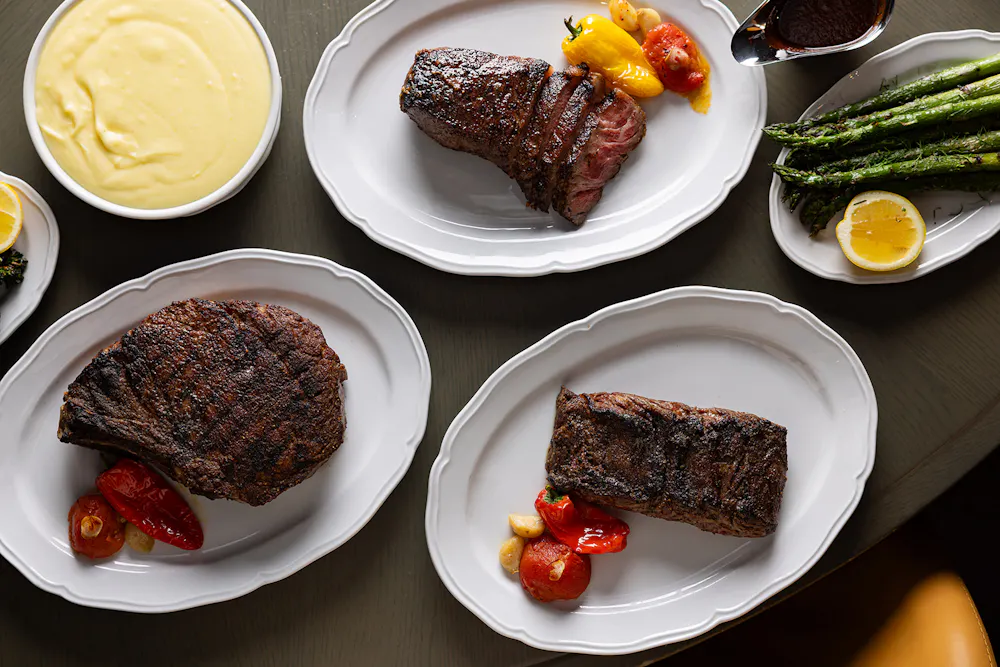
Dry-aged beef has a rich, nutty, almost buttery depth, layered over an intense umami savoriness that lingers in the mouth. Longer-aged cuts (45 days and beyond) develop earthier, more aromatic flavor profiles that some people compare to a well-aged cheese.
Dry-aged steak is bold without being overpowering, with a firm yet yielding texture and a tenderness that builds as you eat. If you've only had wet-aged or fresh beef, the difference is unmistakable from the first bite.
What is the Process for Dry-Aging Steaks?
Dry-aging is a precise, time-intensive craft that is both an art and a science. It relies on controlled conditions, patience, and expert handling. Here's how the dry-aged beef process works:
Premium cuts are selected — Large, well-marbled primals like ribeye, strip, and porterhouse are chosen for their size and fat content.
Into the aging room – The beef is placed in a controlled environment with precise temperature (34–38°F), regulated humidity (around 70%), and consistent airflow.
Time does the work – Over two to eight weeks, moisture slowly evaporates, concentrating flavor, while natural enzymes break down muscle to improve tenderness.
The pellicle forms – A dry, protective outer layer develops on the surface, helping shield the interior during aging.
Trim and prepare – Before the beef reaches the kitchen, the outer crust is carefully trimmed away to reveal the richly colored, intensely flavored meat beneath.
The result is a cut that reflects both time and technique. At Vermilion, our menu features Prime 850 cuts: graded the top 5% of all Prime Beef & dry-aged for 30 days to unlock rich, nutty flavors and perfect tenderness.
Factors Affecting Dry-Aged Steak’s Taste
While time plays the biggest role, that’s not the only factor. Several variables work together to shape the final tenderness and flavor:
Length of aging – Shorter aging periods (21–30 days) yield a cleaner, more concentrated beef flavor, while extended aging (45–60+ days) develops deeper complexity with earthy, nutty, and subtly “funky” notes.
Temperature control – Typically maintained between 34–38°F, the temperature must remain stable to allow proper aging while preventing spoilage. Even small fluctuations can impact the texture and flavor.
Humidity levels – Usually around 70–80%, humidity controls how quickly moisture evaporates. Too low, and the meat dries too fast. Too high, and the risk of spoilage or uneven aging increases.
Airflow and circulation – Consistent air movement ensures even drying across the entire cut and prevents inconsistencies in texture and flavor.
Cut and fat content – Well-marbled cuts like ribeye steak perform best. Fat not only protects the meat during aging, but also enhances the flavor as it concentrates.
Beef quality and grade – Higher-grade beef with abundant marbling produces a richer, more flavorful result.
Size and structure of the cut – Larger, bone-in primal cuts age more effectively. The size helps retain internal moisture, while the bone and outer layers provide protection during the process.
The perfect dry-aged steak is a combination of many different moving parts. Every single one of these factors determines whether dry-aged meat is simply good or truly exceptional.
Dry-Aged Steak Pairings
A great dry-aged steak pairs best with full-bodied reds. Cabernet Sauvignon and Merlot are classics, with enough structure and tannin to stand up to the depth of the beef. Bold options like Syrah or Malbec work just as well, echoing the steak’s richness without overpowering it. Our extensive wine list was designed around our prime cuts, with selections that complement every cut.
On the plate, simple sides should complement rather than compete. Think sides like potato purée, creamed spinach, roasted vegetables, or crispy artichokes. The goal is to elevate the steak, not distract from it.
Try Boston’s Best Dry-Aged Steak at Vermilion
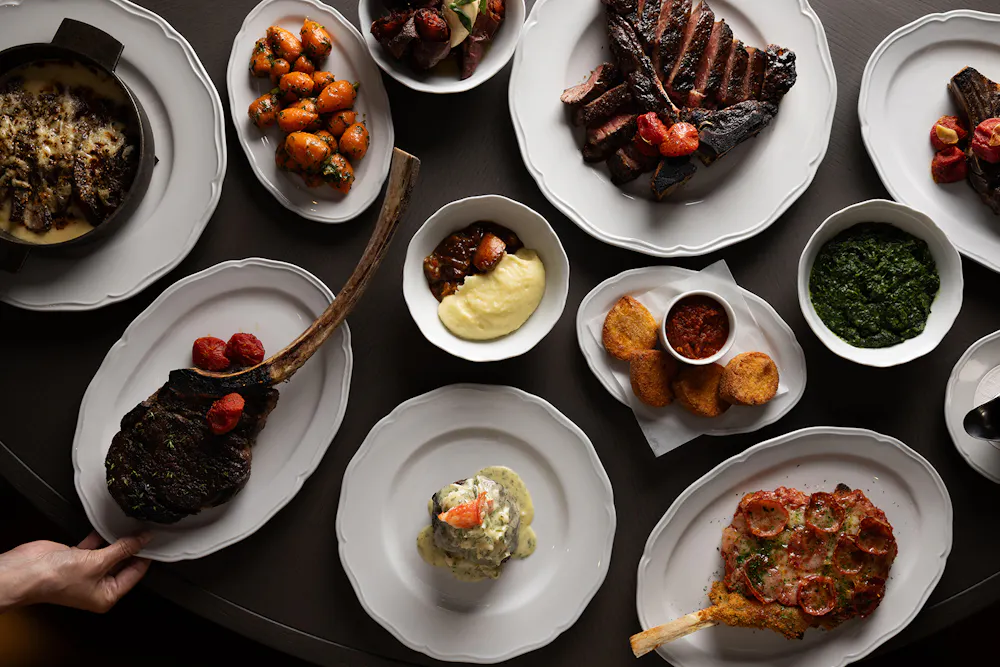
If you're ready to experience dry-aged beef at its finest, Vermilion is the place to do it. Our restaurant is led by Michelin-acclaimed Chef John Fraser, with a focus on premium steaks and New England classics. We were the first restaurant in Boston to offer Prime 850, an exclusive program representing the top 5% of USDA Prime beef.
From the Bone-In Ribeye to our 28-oz Tomahawk, every cut is handled with love and care. Come taste the difference for yourself.
Dry-Aged Beef FAQs
What is dry-aged beef?
Dry-aged beef is meat that's been stored in a temperature and humidity-controlled open-air environment for several weeks, during which moisture evaporates and natural enzymes break down the muscle. The process deepens flavor and improves tenderness.
What is so special about dry-aged steaks?
The combination of concentrated flavor and exceptional tenderness is what makes dry-aged beef so distinct. As moisture leaves the cut, the remaining flavors grow richer and more complex for a nutty, buttery, and intensely savory taste. The aging also tenderizes the muscle from the inside out, producing a unique texture that cooking beef can't replicate.
What’s the difference between wet and dry-aged beef?
Wet aging is faster and more common: beef is vacuum-sealed and aged in its own juices for one to two weeks. It yields a reliably tender steak with a mild flavor. Dry aging beef takes longer, exposes the beef to open air, and results in far more concentrated flavor and firmer texture.
How do you dry-age steak at home?
If you’re hoping to learn how to dry-age a steak at home, prepare yourself: it’s quite difficult. You'll need a dedicated aging room with stable temperature control, consistent humidity around 70%, and good airflow. The margin for error is real, and getting restaurant results at home isn’t easy. Our suggestion: let us handle it. Every Prime 850 cut at Vermilion has been dry-aged for 30 days by professionals and used in a recipe by a Michelin-acclaimed chef.
What should I pair with a dry-aged steak?
Pair dry-aged steak with a full-bodied red, like a Cabernet Sauvignon, Merlot, Syrah, or Malbec. For side dishes, think simple and indulgent with a potato purée, creamed spinach, or roasted vegetables. Blue cheese, whether in a sauce or as a garnish, is a particularly good match for the nutty depth in longer-aged cuts.
Where can I get a dry-aged steak near me?
Vermilion is the city's first restaurant to offer Prime 850, the most exclusive dry-aged beef program in the country. Every cut is dry-aged for 30 days and prepared with love in one of Boston’s most innovative kitchens. Reserve your table.